
Why car brands need to mean more to today’s families
The UK automotive market has a differentiation problem.
There are now more car brands available to UK buyers than at any point in the last century, according to Auto Trader, and yet loyalty has rarely been thinner. Deloitte’s UK automotive research found only 39% of UK consumers bought their current vehicle from the same brand as their previous one. Buyers have never had more choice, or less reason to stick with what they already know, at a time when most manufacturers are making strikingly similar claims about technology, safety, performance and value.
Which raises the obvious question: if the products all sound alike, what actually gives someone a reason to pick one brand over another?
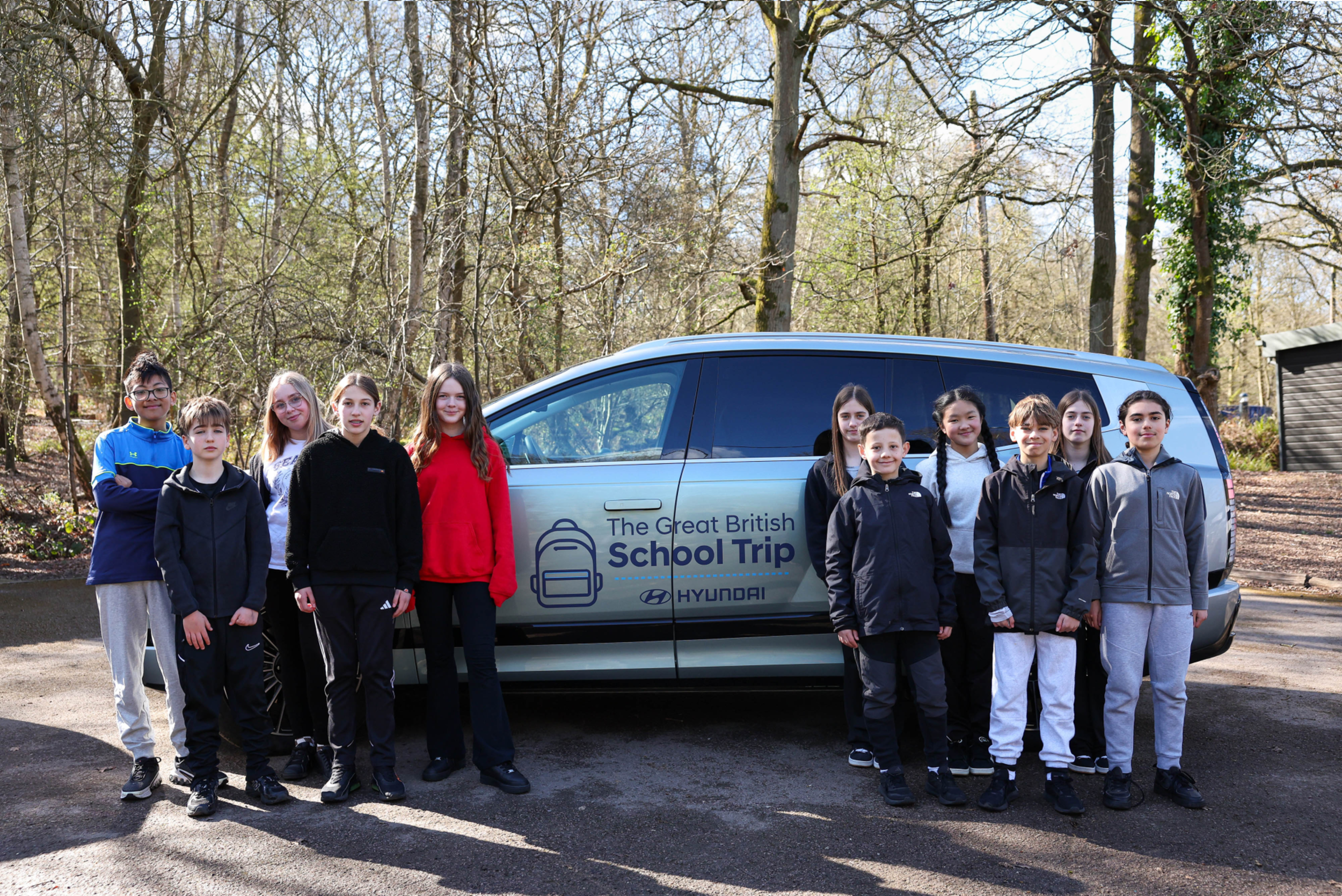
Parents show why product alone isn’t the answer
Recent YouGov data offers a useful place to start. 30% of UK parents with children aged 18 or under at home are looking to buy a car within the next two years.
What’s striking is how little any single factor dominates that decision. Price leads at 24%, but it’s closely followed by mileage, space and size, fuel efficiency and safety, and parents consistently over-index against the wider population on most of these: they’re 52% more likely to rate space and size as important, 47% more likely to prioritise safety, and 43% more likely to weigh up repair and maintenance costs before they buy.
In other words, parents aren’t weighing up one thing. They’re weighing up almost everything at once – which makes sense when you consider what happens to a car once children arrive.
It stops being simply a way to get from A to B and becomes the school run, the changing room after Saturday football, the emergency snack cupboard and the vehicle somehow expected to swallow a week’s holiday luggage alongside car seats, school bags and a scooter.
But there’s a quieter shift too.
As children get older, the car can become one of the places where families actually connect. Ask parents of teenagers and many will tell you some of their best conversations happen in the car – side by side, without the pressure of eye contact. It’s where shared playlists, audiobooks and conversations live.
None of that appears on a spec sheet. But it’s part of what a car comes to mean to a family – and it’s something a brand can speak to in a way a product claim rarely can.
So it’s perhaps unsurprising that Carwow research found 55% of UK parents change their car when their children reach school age. Becoming a parent doesn’t just move someone into a new demographic. It changes what a car actually means to them.
When lots of cars can do the job, what makes one brand feel right?
Product still matters enormously, of course. But most manufacturers can now make credible claims on price, safety, technology and performance, and a functional advantage that can be copied tends not to stay an advantage for long. Brand is where something harder to replicate starts to happen.
Kantar research points in the same direction: the strongest brands are relevant to people’s lives, they stand apart from their competitors, and they come to mind at the exact moment someone’s ready to buy, and it’s the brands that amplify a genuinely meaningful difference that grow faster and can command stronger pricing as a result.
Product gives people a reason to buy. Brand gives them a reason to choose you specifically.
It’s part of what makes Jaguar’s recent rebrand so interesting, whatever your view of the execution. One of the world’s most famous automotive marques described its transformation as a “complete reset”, designed to reclaim a distinctive identity around its “Copy Nothing” philosophy. The question that raises matters well beyond Jaguar alone: do people actually know your brand, or do they just recognise it?
The most valuable marketing might happen before someone needs a car
Which is what makes Hyundai’s Great British School Trip such an interesting case study from a brand perspective.
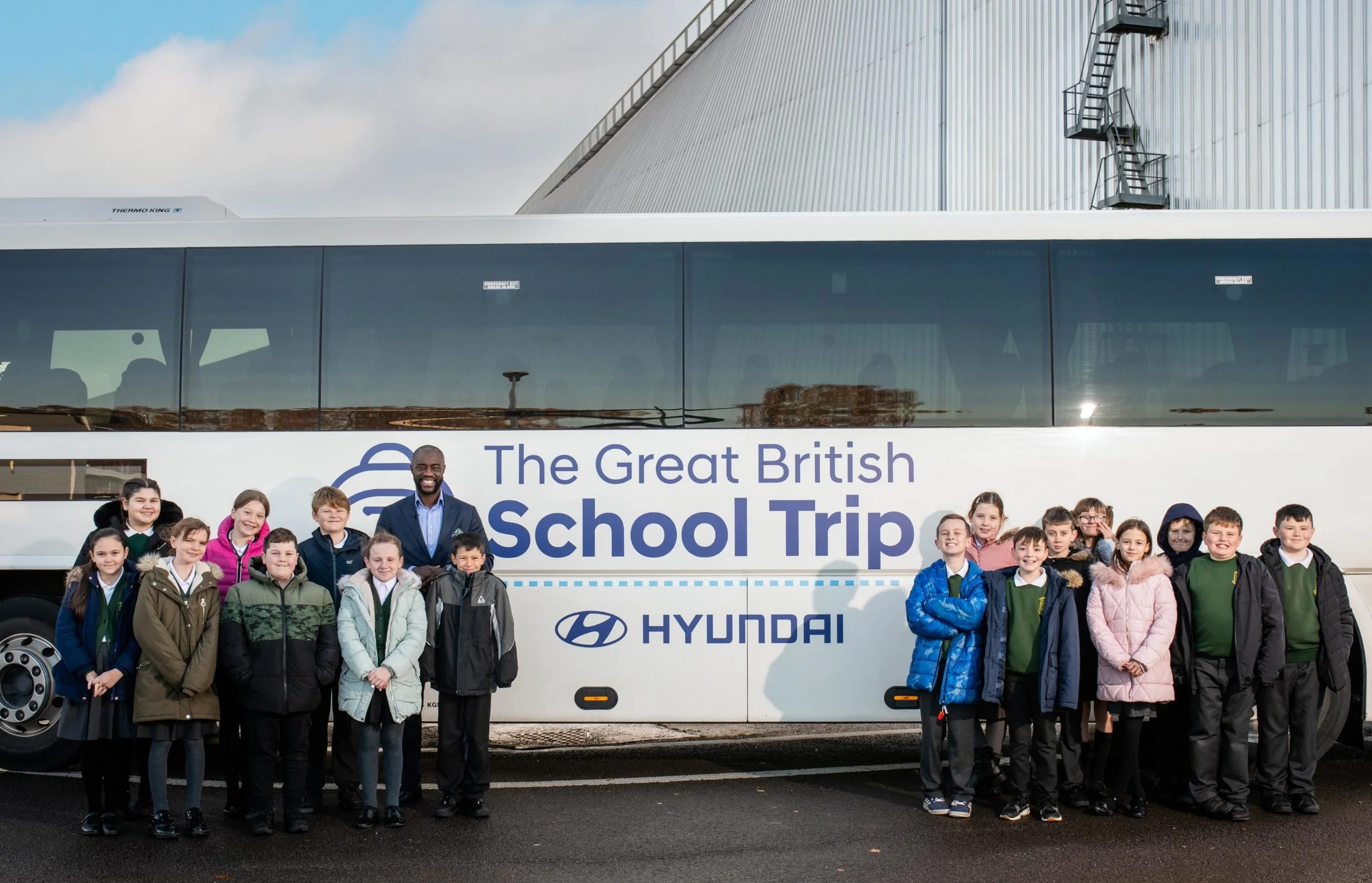
The programme has helped more than 218,000 young people access educational experiences outside the classroom and achieved 15 million in media reach, but the number we find far more telling is a 48% uplift in positive perceptions of Hyundai among parents.
Set that next to the 30% of parents already looking to buy a car within the next two years, and the logic becomes fairly clear. The programme isn’t trying to sell those parents a Hyundai today. It’s giving them a reason to feel positively about the brand before many of them enter the market.
That’s important in a category with long purchase cycles. Consumers don’t arrive at their opinions the moment they start searching for their next car, they arrive with years of accumulated impressions already sitting there quietly in the background, and YouGov’s UK automotive research suggests brand perception can shape which manufacturers even make the shortlist long before anyone sets foot in a dealership. The years between purchases aren’t dead time for a brand. They’re when the next shortlist actually gets built.
Creating value before asking for attention
There’s a broader principle here that sits at the heart of how we work as an agency. We call it Win Win: the belief that the strongest programmes create real value on both sides of the exchange, something genuinely useful for young people and families, and meaningful brand value for participating companies.
Hyundai’s Great British School Trip is a clear example of that principle in practice. Children get experiences they might otherwise miss out on, schools and families get meaningful support, and Hyundai earns a better place in parents’ minds. That’s a step beyond simply attaching a brand to a good cause. It’s designing positive impact to create brand impact too – and the 48% uplift gives us evidence that it works.
So perhaps the more useful question for automotive brands isn’t “what purpose campaign should we run?” It’s closer to “where can our brand create genuine value in the lives of the people we most want to matter to?”
Because the battle for the next car sale rarely starts the moment somebody opens Auto Trader or walks into a showroom. In a market with more choice than it’s ever had, the brands that win are likely to be the ones that were creating value for people long before they ever got round to asking them to buy.