

Photo by Annie Spratt
The Children's Commissioner's new report highlights vast differences in the opportunities available to young people across England. For brands, it's a timely reminder of the difference they can make, and why understanding and investing in young people matters for their own future too.
A postcode lottery for childhood
Where you grow up shouldn't determine the opportunities available to you. Yet the Children's Commissioner's new report, The Childhood Lottery: The hardest places to grow up in England, shows just how much a young person's postcode can shape their experiences.
Drawing on 162 measures of children's lives, the report looks at everything from education and employment prospects to health, safety and access to services.
The differences between areas are significant. In Richmond upon Thames, 70% of pupils achieve grade 5 or above in both English and Maths GCSEs, compared with 31% in Knowsley. Among 16–17-year-olds, the proportion not in education, employment or training ranges from 7.1% in Derby to just 0.3% in Enfield.
The picture extends well beyond education. In Rutland, there are 61 playgrounds for approximately 7,800 children, while Redbridge has just six per 10,000. Reported annual spending on youth services ranges from £0 per teenager in four local authorities to £421 in Camden.
Of course, these figures don't tell us everything about an individual young person's circumstances, and the report isn't intended as a ranking of local authorities. But together they illustrate how unevenly opportunities and support are distributed across the country.
The Children's Commissioner has called for a response that reflects the seriousness of these inequalities, including greater accountability and coordination across the services that support children.
While much of that responsibility sits with government and public services, the report also raises an important question for businesses: how can brands use their expertise, resources and influence to help young people who might otherwise miss out?
Why this matters to brands
Investing in young people makes sense for businesses for reasons that go beyond corporate responsibility. They're the audiences, employees and decision-makers of the future, and engaging with them early can help brands build relevance, understand their needs and develop future talent. 26% of household spending is influenced by children’s opinions so young people are highly influential in the choices and decisions their parents are making right now too (GoHenry, 2024).
There's particular value in creating experiences that give young people something they might not otherwise have access to. Rather than simply telling an audience what a brand stands for, businesses have an opportunity to demonstrate it in ways that are useful and memorable.
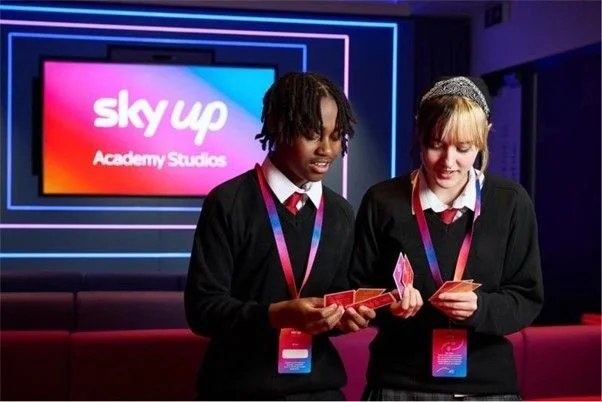
Take our work with Sky Academy Studios, where young people can become part of a production crew and experience the world of media first-hand. As well as introducing them to creative careers, the programme helps build familiarity with Sky and could inspire some of its future workforce.
Through our work with McDonald's, we're helping remove some of the financial barriers to work experience. By offering paid opportunities, the programme makes it easier for young people from lower-income backgrounds to gain valuable workplace skills without having to take on the costs associated with unpaid placements or miss out entirely.
These are different approaches, but both show how a brand's expertise and business ambitions can shape an initiative that responds to a genuine need. Working directly with young people also gives businesses a better understanding of their interests, challenges and aspirations, which can inform how they engage future audiences.
"One thing we've learned is that the starting point matters. If a brand begins with what it wants to say, it can easily miss what young people actually need. But when you listen to young people first and understand the barriers they face, you can find ways to contribute that feel natural to the business and genuinely useful to the people you're trying to reach."
- Alex Young, Managing Director, We Are Futures
Reaching the right young people, not just the largest number
The report raises another important question: are brands reaching the young people who could benefit most?
Big numbers are useful, but they don't tell the whole story. A programme can reach thousands and still miss communities with limited access to similar experiences, while a smaller, targeted initiative may make a greater difference to those taking part.
This is where insight becomes essential, helping brands understand who they want to engage, the barriers those audiences face and how to design programmes that deliver meaningful outcomes. Success should be measured by what young people learn and gain, alongside what the brand achieves, rather than participation figures alone.
We already take this approach across our programmes.
The Hyundai Great British School Trip, for example, prioritises schools in areas of deprivation, where the cost of educational trips can be a significant barrier. As well as giving young people the chance to learn beyond the classroom and explore new possibilities, the initiative has also helped strengthen perceptions of Hyundai, with a reported 48% uplift in positive parent sentiment.
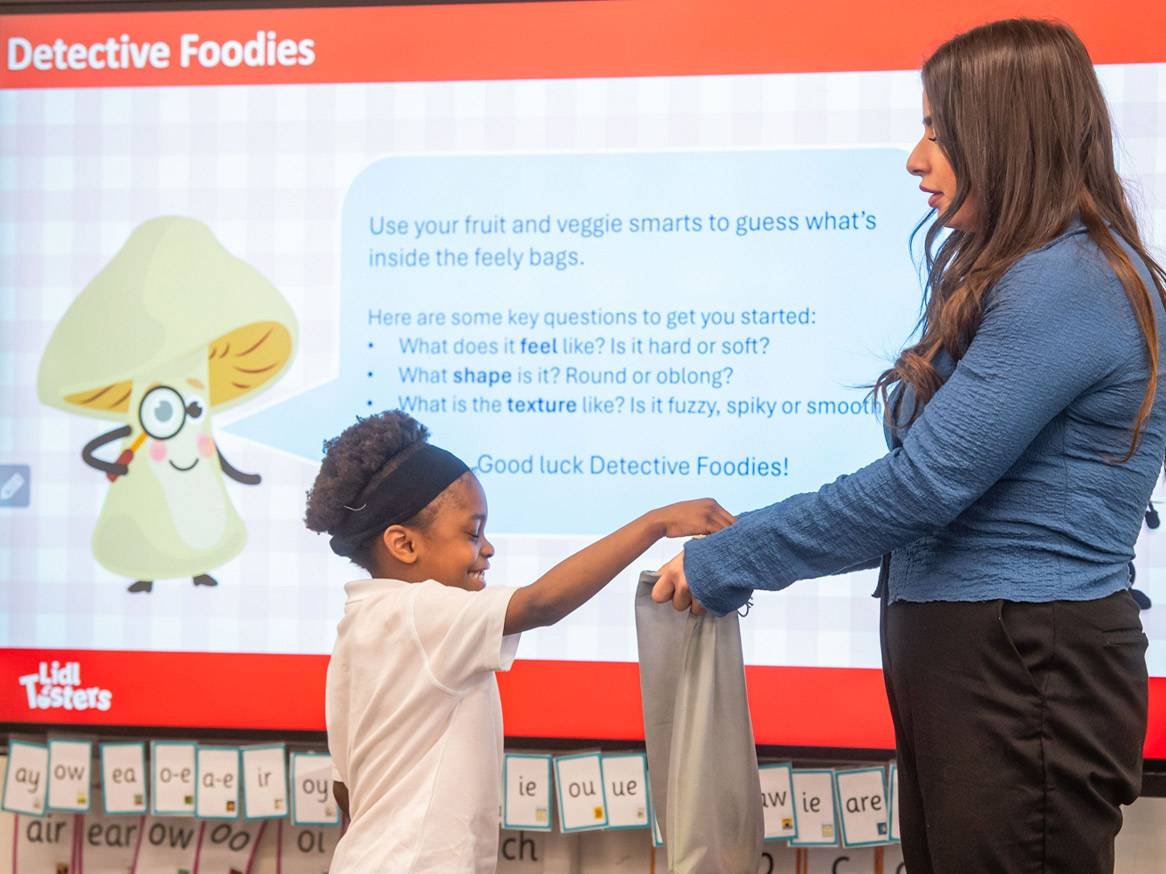
Our Lidl Foodies programme also prioritises schools in areas of social deprivation, providing teachers with £100 to spend on fresh fruit and vegetables for use in lessons. It's a practical way to support food education while helping Lidl engage school communities through its expertise in fresh food.
That doesn't mean every brand programme should focus on the same communities or challenges. The right approach will depend on the brand's objectives, the audiences it wants to engage and the contribution it's equipped to make.
What matters is being deliberate about those choices and using insight to make sure investment is directed where it can have the greatest value.
Creating opportunities that work for everyone involved
The Childhood Lottery shows there's no single experience of growing up in England. Young people's lives and circumstances vary considerably, even within the same area.
For brands, that means looking beyond assumptions, listening to young people and working with partners who understand their communities.
Businesses can't resolve the structural inequalities highlighted in the report, nor should they be expected to. But by bringing their expertise, resources and connections to issues that matter to young people, they can make a valuable contribution.
When that work is closely connected to a brand's purpose and business ambitions, it can also help build stronger relationships, develop future talent and demonstrate its values in action.
For us, that's where the real opportunity lies: creating work that delivers something meaningful for young people while helping brands create value today and build for the future.
Read the full Children's Commissioner's report.