
Work experience can't become a numbers game
Sainsbury’s announcement of 10,000 work experience and employability opportunities, backed by Andy Burnham, is a welcome commitment at a time when too many young people are struggling to get that crucial first experience of the workplace. But if initiatives like this are going to make a real difference, success has to be measured by what changes for a young person after they walk through the door, not simply how many of them do.
Young people want work experience, but face real barriers to accessing it
Research from McDonald's shows that 67% of young people would love to do work experience but say there aren't enough opportunities, and 60% worry they aren't prepared for the world of work, held back mostly by a lack of experience and confidence. Dig a little further and the barriers multiply - 69% point to a lack of local opportunities, 61% say they simply can't afford to work for free, and 52% believe getting a foot in the door often comes down to who you know rather than what you can do. Young people aren't short of ambition, but they are often missing the opportunities to turn that ambition into confidence and real experience.
As our Deputy MD, Anna Brocklehurst, puts it: "We spend a lot of time listening to young people, and what comes through consistently is that the ambition is there. What isn't always there is the confidence, experience or opportunity to act on it. Employers have a real chance to change that, but only if we design experiences around what young people actually need."
What makes work experience meaningful
We've learnt a lot about this first-hand through our work with the McDonald's work experience programme - work experience that lines up closely with Gatsby Benchmark 6, the national standard in England for what counts as a genuinely meaningful workplace experience.
In England, Benchmark 6, says a placement needs real workplace tasks rather than watching from the sidelines, proper two-way interaction with employees rather than a single introductory chat, and feedback from the employer that actually says something… what went well, what to work on, and what skills came through along the way. It should mean meeting more than one person from across the business, and there should be room afterwards for a young person to properly reflect on what they've taken from it. None of it is really about how many days someone spends in a building. It's about what they walk away having learnt, who they met while they were there, and how ready they feel for whatever comes next.
Getting that right depends as much on the practical design of a programme as it does on ambition. The employers making the biggest difference aren't necessarily the ones offering the most placements, they're the ones quietly removing the barriers that stop young people reaching them in the first place. That means locations that are genuinely local and easy to get to, application processes that don't ask more of a sixteen-year-old than they can reasonably give, and placements that are paid wherever possible, with travel costs covered as standard rather than an afterthought. Hybrid and virtual formats have a role too, particularly where travel itself is the barrier, provided they still deliver the real interaction and feedback that make an experience meaningful rather than performative. It's also worth employers doing a little homework on where the rules differ: requirements and expectations for young people's work experience vary slightly across the nations of the UK, and what works in England doesn't always transfer neatly to Scotland, Wales or Northern Ireland.
Work experience can help tackle barriers to youth employment
This matters even more for young people who are already not in education, employment or training. McDonald's research among young NEETs points to an uncomfortable reality that even the most entry-level jobs increasingly ask for previous experience, and it's exactly that previous experience many of these young people have never had the chance to get. Worse, the same research found that 44% of young NEETs are effectively hidden from the benefits system altogether, meaning conventional employment support often never reaches them at all.
Work experience won't solve youth unemployment by itself, nobody's claiming that. But well-designed programmes can chip away at the things standing between a young person and a job - experience, confidence, an understanding of how a workplace actually works, and simply having the door open to begin with. The best work experience doesn't just give someone a line to put on a CV. It leaves them better equipped to get through whichever door comes next.
Why this matters for employers too, not just young people
It's worth being honest about why this matters to a business, beyond it simply being the right thing to do. Getting this right builds a genuine talent pipeline at a moment when entry-level skills gaps are a real and rising cost for employers, not an abstract one. It also shapes how a brand is seen. For McDonald's, work experience sits inside a wider ambition to become the leading employer of young people in the UK, at a time when youth unemployment is a subject the public, the media and policymakers are all watching closely. Done properly, this isn't philanthropy tacked onto a business, it's a talent strategy and a brand strategy running side by side.
There's a broader shift as well though from single placements offered once, at sixteen, towards multiple touchpoints across a young person's life, starting in primary school and continuing through secondary and further education. Employers who treat work experience as one of several moments they can show up for a young person, rather than a box ticked once, tend to see the greater return on it, for the young person and for their own business.
Employers can help young people become work-ready
Major employers have a significant role to play here, not simply in recruiting young people who are already work-ready, but in helping far more young people get there in the first place. Major brands are particularly well placed to do it as they have scale, reach, and workplaces embedded in communities across the country. Used well, those assets can open up experiences and people a young person might otherwise never come across.
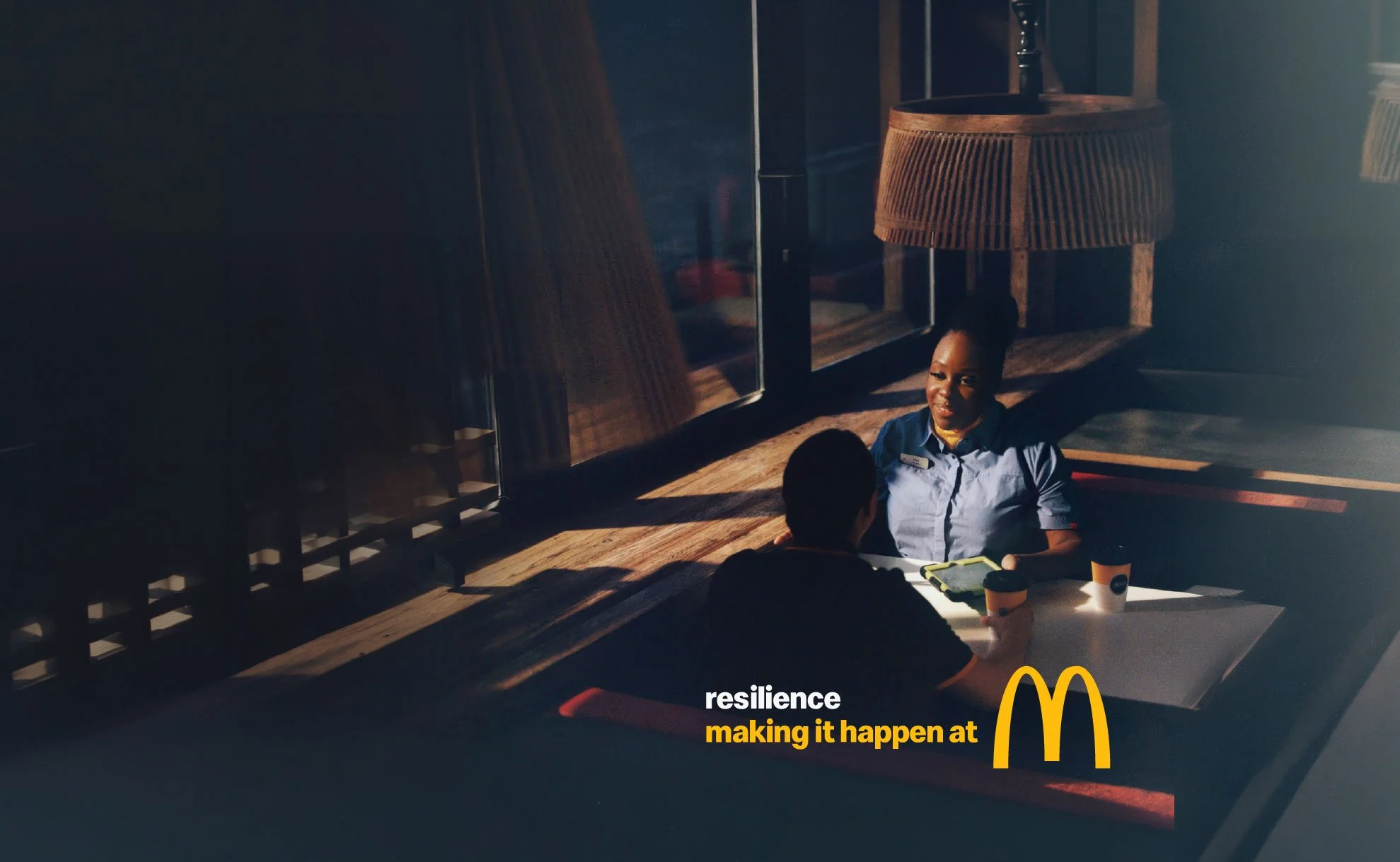
We've seen what that looks like in practice through our work with McDonald's: a work experience programme for young people aged 16 and over, designed around the principles set out in Gatsby Benchmark 6 and built to work in restaurants of every size as well as the head office, with staff trained to deliver it properly and placements that are paid, including travel costs. The ambition behind it is significant too, with 2,500 placements planned across the UK and Ireland by April 2027 - a quarter of them set aside for young people who are NEET. It's a big number, but the number was never really the point. What matters is that access without quality doesn't move anything forward on its own, and this is what it looks like when the two are built in together from the start.
Sainsbury's commitment to 10,000 opportunities is a significant step in the right direction. For every employer looking to provide work experience, the opportunity is to ensure those experiences deliver real and lasting impact for young people. That's the work we help brands get right, and it's exactly where this conversation should go next.